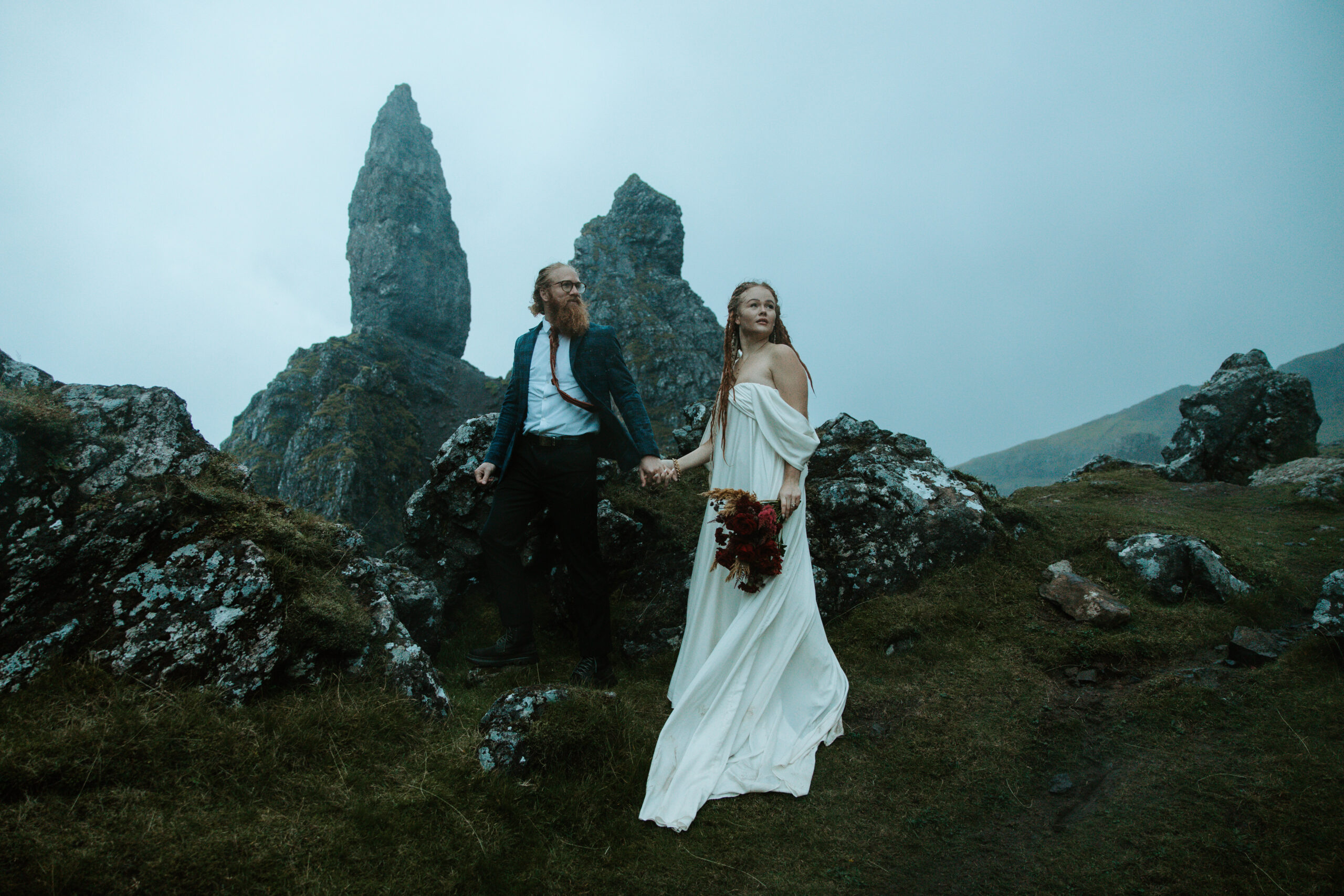
Is It Safe to Elope in Remote Locations?
My Blog
meet me
For Photogs
Pricing
YOU, ME & THE PINE TREES
Sessions
Portfolio
Pricing
Portfolio
If you’ve been dreaming of saying “I do” somewhere wild, remote, and breathtaking, you’re probably asking yourself:
“Is it really safe to elope in a remote location?”
The short answer: Yes—absolutely, if you plan carefully and know what you’re doing.
As a wilderness education teacher at Lake Tahoe Community College, I’ve spent years teaching students how to move safely in the backcountry, manage risks, and thrive in outdoor environments. I know firsthand what it takes to plan a safe and unforgettable remote adventure, and in this guide, I’ll share all my tips and insights so you can feel confident about your adventure elopement.
Remote locations can be magical—mountaintops, alpine lakes, dense forests, or hidden waterfalls—but they also come with concerns:
These are all valid concerns, but the key is that with preparation, knowledge, and the right support, remote elopements are incredibly safe.
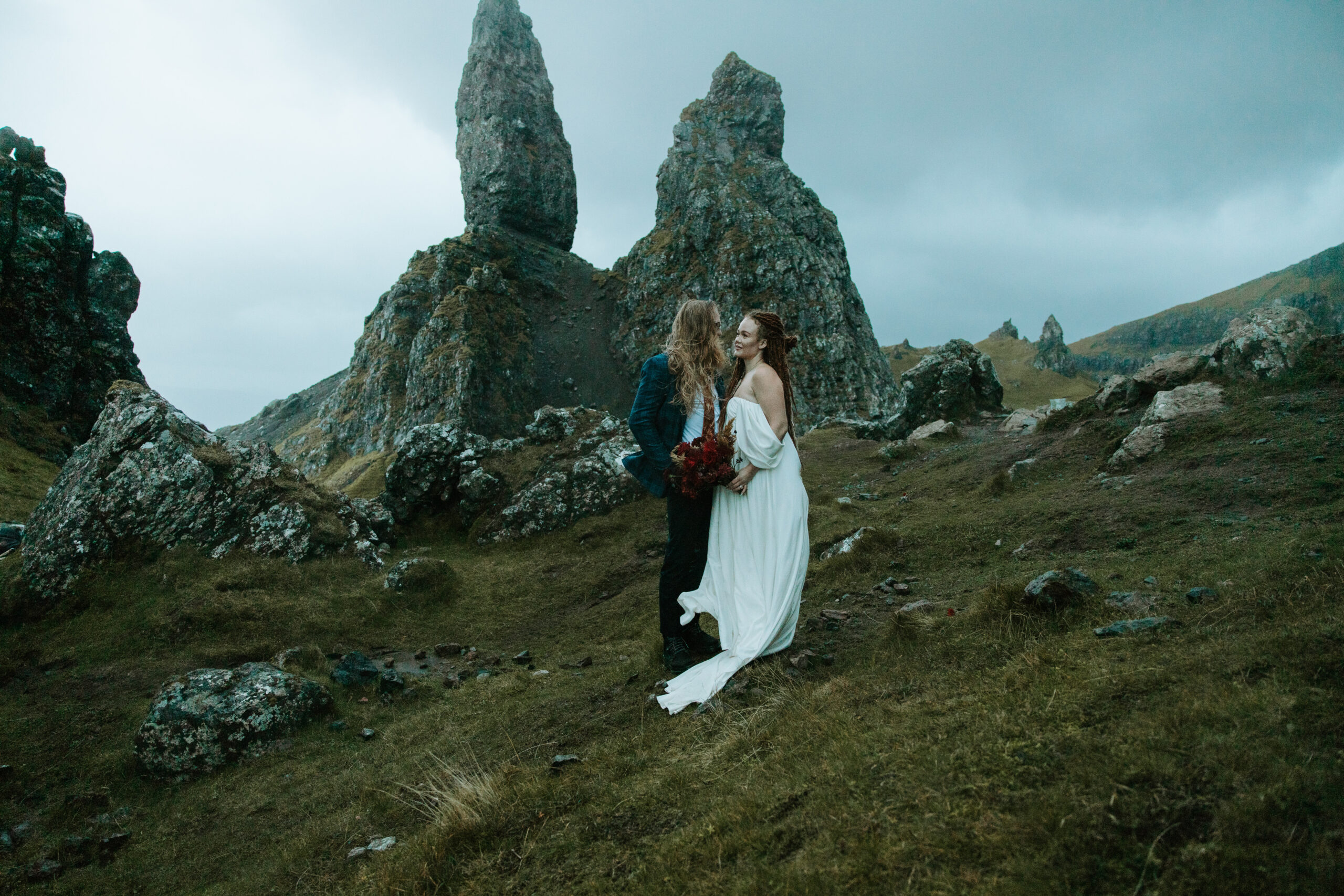
I’ve spent years teaching college students how to travel safely in backcountry environments, navigate trails, and minimize risks. This experience gives me a unique perspective when planning remote elopements:
Your adventure elopement doesn’t have to be scary—it can be carefully planned, thrilling, and completely safe.
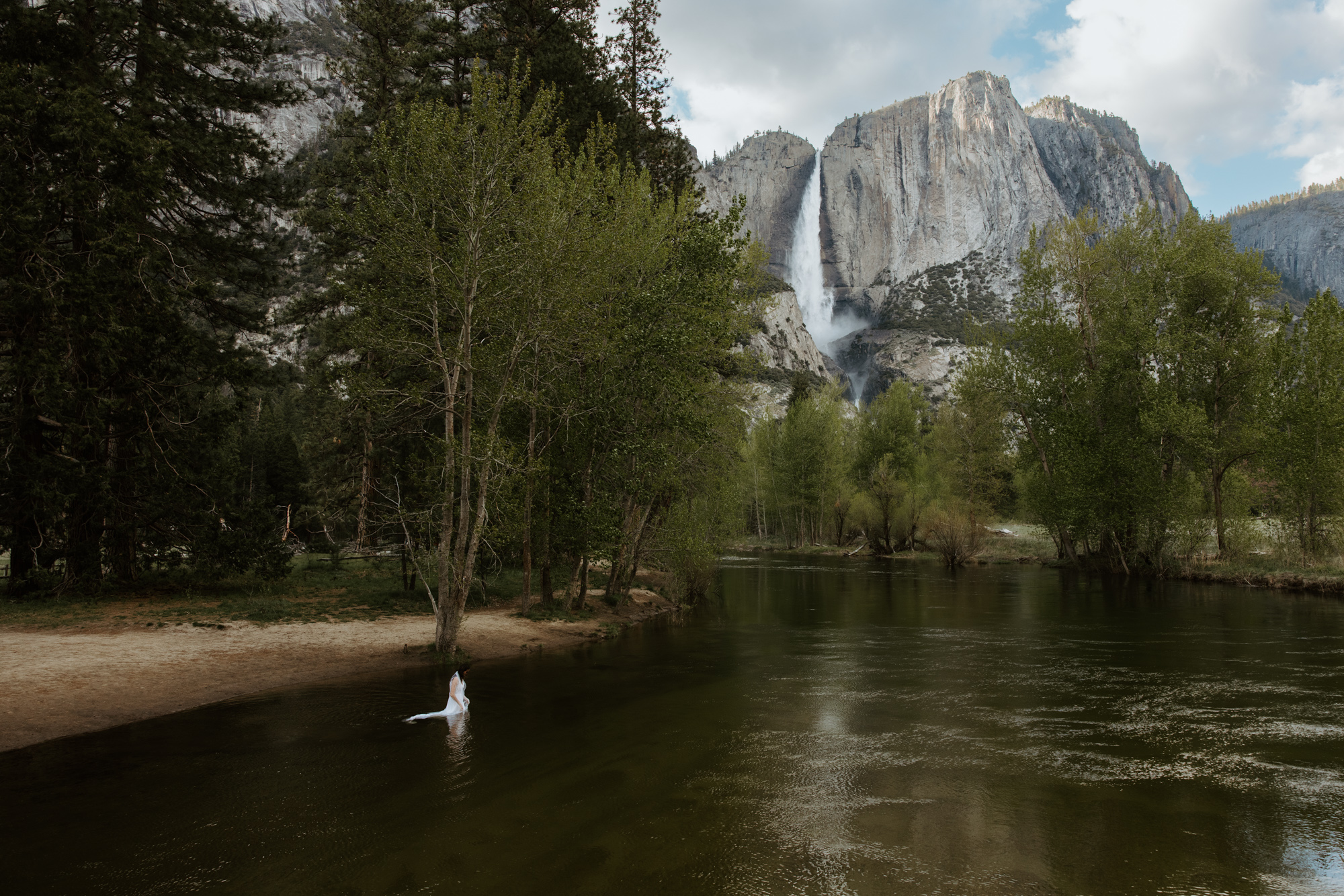
Here’s a detailed breakdown of everything you should consider when planning a remote adventure wedding:
Examples of beginner-friendly remote locations:
Even beginner-friendly remote elopements require a little preparation:
I often help couples plan exactly what to bring, ensuring safety without overpacking.
Q: Are remote locations really safe for first-time hikers?
A: Yes! With proper planning, choosing beginner-friendly trails, and hiring guides or photographers experienced in backcountry travel, you can have a safe, magical experience.
Q: What if something goes wrong on the trail?
A: Always carry emergency supplies, know where the nearest help is, and communicate your plan. Experienced guides or photographers can help you respond calmly to any situation.
Q: Can we bring a few guests?
A: Yes, but keep the group small (2–6 people) to ensure safety and reduce logistical challenges.
Q: How do we handle unpredictable weather?
A: Pack layers, waterproof gear, and plan flexible ceremony times. Some couples even choose a sunrise hike, which often provides calmer weather and magical light.
Remote elopements are magical because of their intimacy, adventure, and unmatched scenery. While safety requires planning, the rewards are extraordinary:
With careful planning, experienced guidance, and the right mindset, remote elopements are not just safe—they’re transformative.
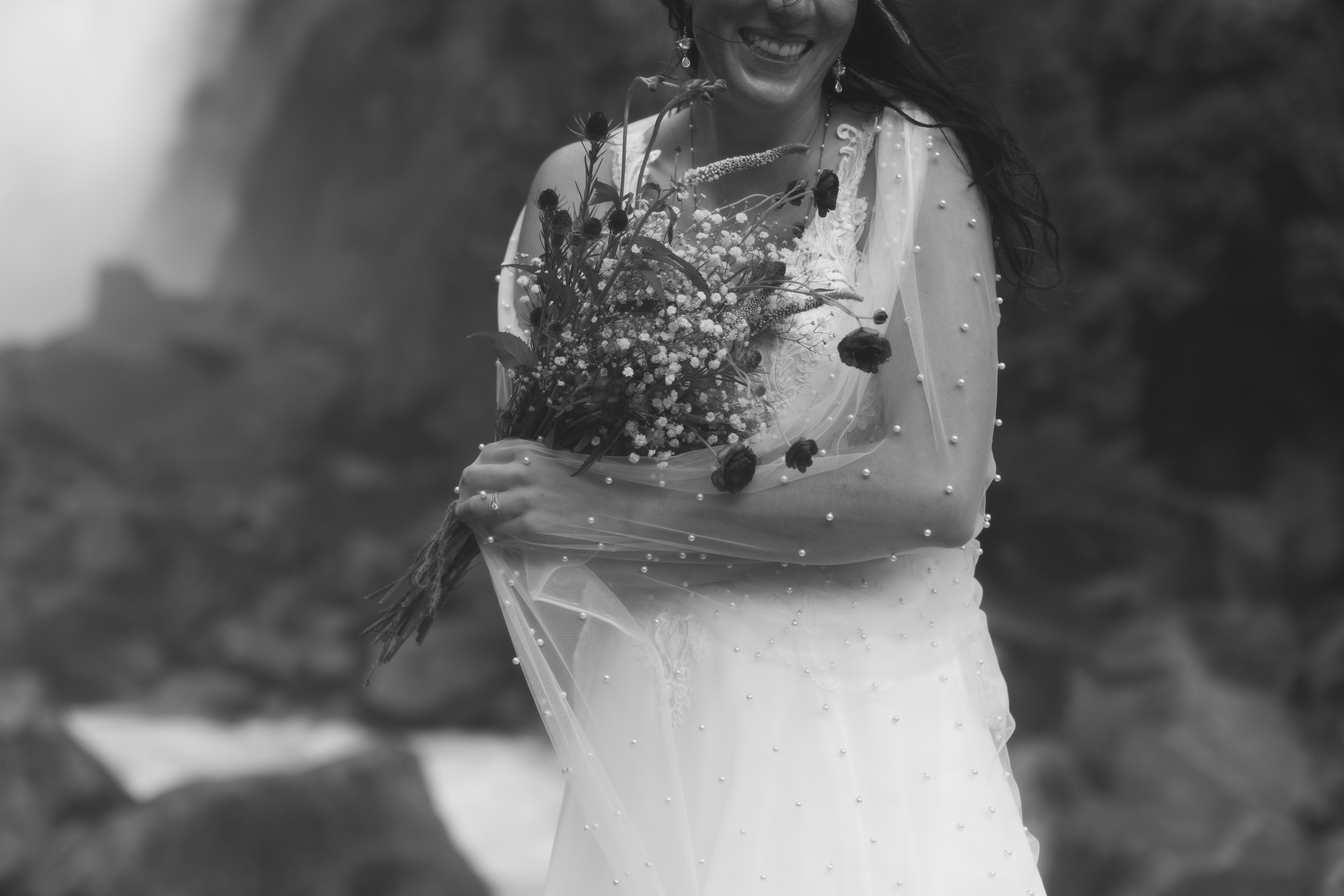
Elope in the backcountry with confidence, excitement, and peace of mind. Remote locations don’t have to be intimidating—they can be the most beautiful, intimate, and memorable places to celebrate your love.
As a wilderness education teacher at Lake Tahoe Community College, I know how to navigate, prepare, and thrive safely in the backcountry. I combine this expertise with photography to guide couples to unforgettable adventure elopements while keeping safety top of mind.
Your wedding day can be a perfect blend of adventure, intimacy, and breathtaking scenery, leaving you with photos, stories, and memories you’ll treasure forever.
IG: Wildly Hitched


If you’re here, chances are you’re not the ballroom, big-wedding type. You’re the couple who feels most alive in the wild—where the air is crisp, the trails are endless, and the only ‘rules’ are the ones you make. Same.
I grew up in the heart of the Sierra Nevada, where adventure wasn’t just a hobby—it was a way of life. Backpacking, mountain biking, white-water rafting, chasing sunsets in the backcountry—that’s my world. So when I say I get why you want to trade a traditional wedding for a mountaintop “I do,” I mean it. This isn’t just something I photograph—it’s how I live.
And I’m here to make sure your elopement isn’t just a day—it’s an experience. One that’s thrilling, intimate, and so unapologetically you.
Need someone who knows the best hidden trails, keeps an eye on the weather, and makes sure you don’t forget to eat snacks at 10,000 feet? That’s me. Want a photographer who will hike, climb, and wade through rivers to get the shot? Also me.
My job isn’t just to capture your love story—it’s to help you live it fully.
So, let’s do this. Let’s craft an adventure that makes your souls light up, throw out the rulebook, and create a wedding day that feels like pure magic.
You bring the love—I’ll bring the camera. Let’s make this the best day of your life
I get to hike alongside you, witness the way you look at each other, and be there for one of the most important days of your lives.
I get to help you dream it up, plan it out, and then watch it all unfold.
And honestly? I’ll never stop being wildly grateful—or completely obsessed—with capturing these moments.


Let me help you create an incredibly fun, stress-free experience—while I capture the full story of your day.
Ready to hold your date? Click here to pre-reserve your wedding day while I prepare your contract and retainer
Contact Me

Be the first to comment